Introduction
During my time in Austria this past fall, I visited not one but two historic salt mines whose contributions to the development of the city and region of Salzburg over millennia cannot be overstated. The very name Salzburg comes from the German Salz (salt) and Burg (fortress). This post will outline the history of these locations and relate to you my experience visiting them as a tourist.
Around 200 million years ago, what is now Austria and Germany was covered by a vast primordial ocean. As the climate warmed, the water evaporated and the salt began to crystallize and sink to the ocean floor, forming a sediment bed. Eventually, the last of the seawater evaporated and the salt was covered by several layers of dust and clay. Flash forward to 100 million years ago, when tectonic activity gradually formed the mountain range of the Eastern Alps, with the salt bed now buried deep within its surface.
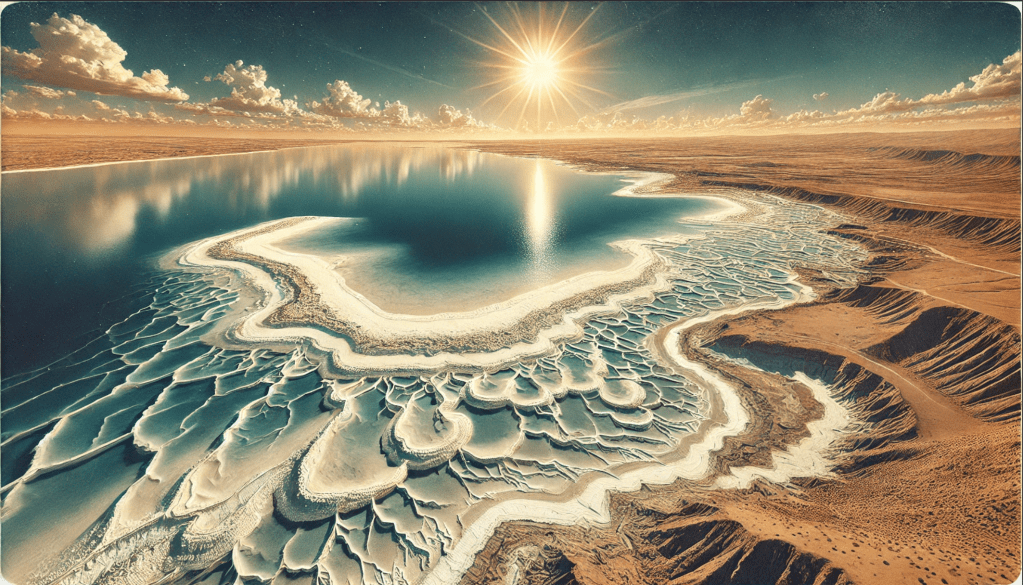
It was around 4,000 BC, during the Neolithic Period, that humans first became aware of the salt. We can’t know exactly how they made this discovery, but the museum suggests that they noticed the springs around the mountain were serving up a decidedly salty drink of water. They then ran the water over heated rocks, which boiled away the water and left behind the salt as a residue. These stone age innovators, despite being on the paleo diet, wasted no time exploiting such a rich new source of added electrolytes.


Salt has always been one of the most important and valuable food products in the world. In fact, the English word “salary” came from the Latin salarium, which referred to the amount of salt a Roman soldier was paid for his service. In ancient times, it was not only essential to the process of curing meat for preservation with its antibacterial properties, but also one of the few condiments Europeans had at their disposal to flavour their food, along with things like honey and vinegar. The ability to preserve food through the winter months could mean the difference between life and death, so it also supported larger and larger communities of people.
The Tours
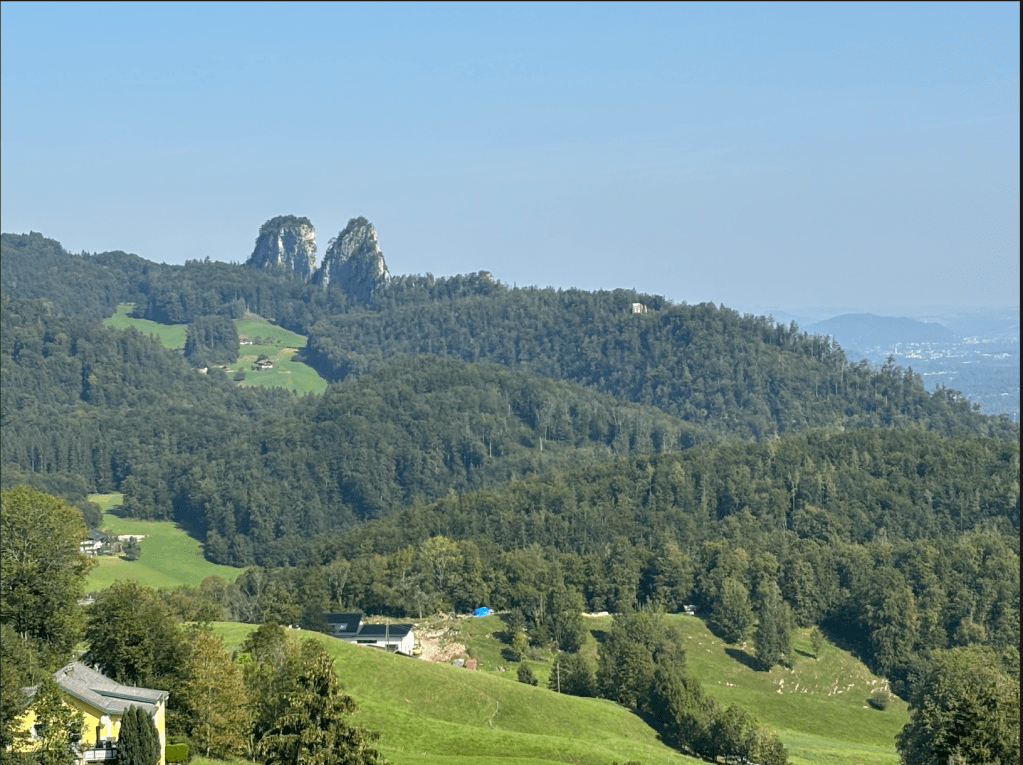
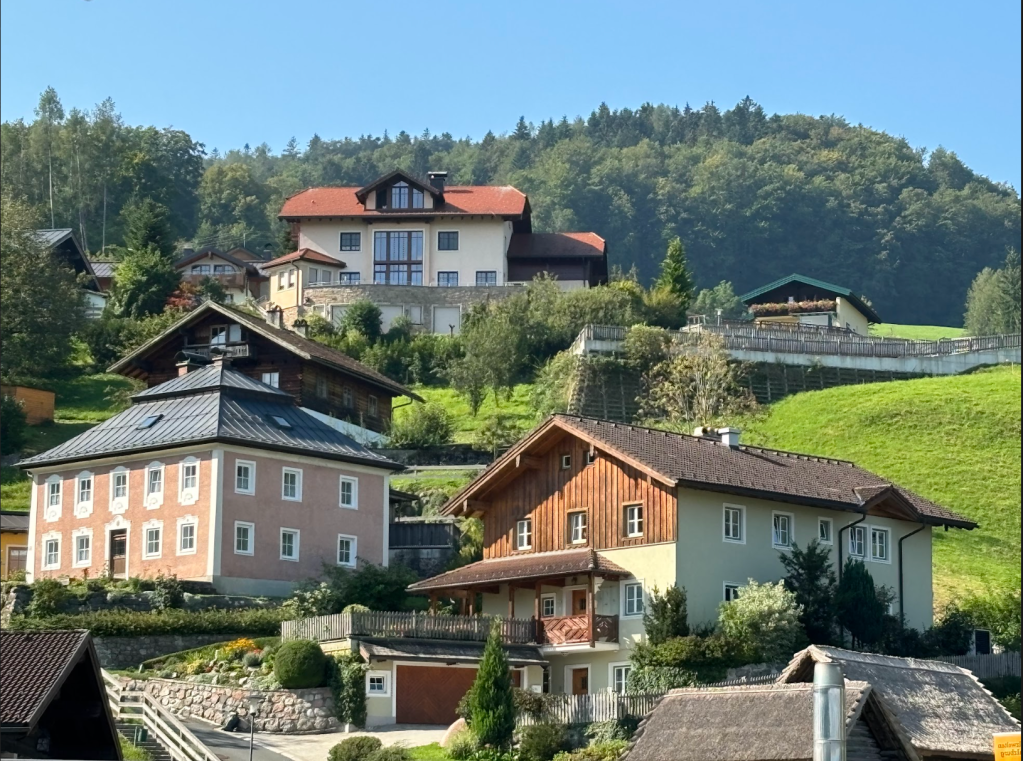
The first mine I visited was Salzwelten Salzburg, located on the slopes of the Dürrnberg mountain near the town of Hallein. You can reach Hallein from Salzburg in only 23 minutes by train, and the landscape surrounding the tracks makes for a pleasant trip if you’re blessed with sunny weather, as I was. From the train station, board the appropriate bus for a quick ride up the mountainside to the visitor centre of the mine.
Before the tour of Salzwelten Salzburg can commence, visitors such as yours truly were instructed put on a set of loose white coveralls over our clothes to ensure visibility in the dimly-lit mine shafts and to protect against dust and dirt. We were then led to a station in the lower levels of the visitor centre to board a peculiar little train for transportation in and out of the bowels of the mine.
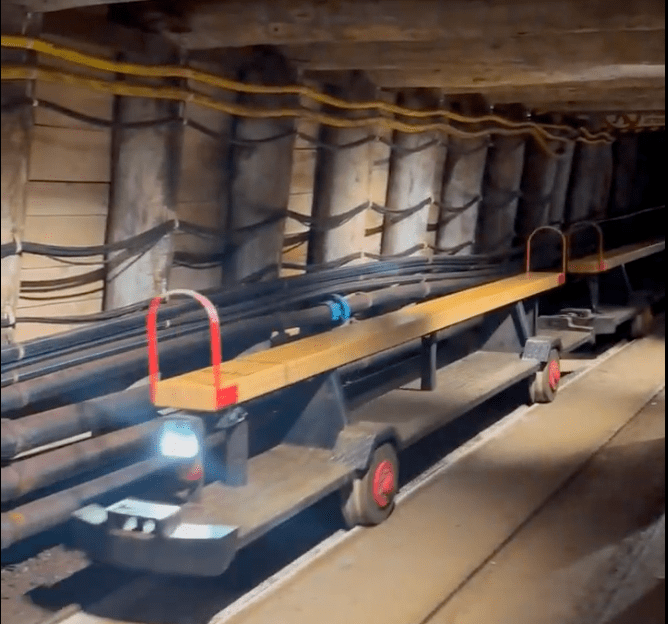
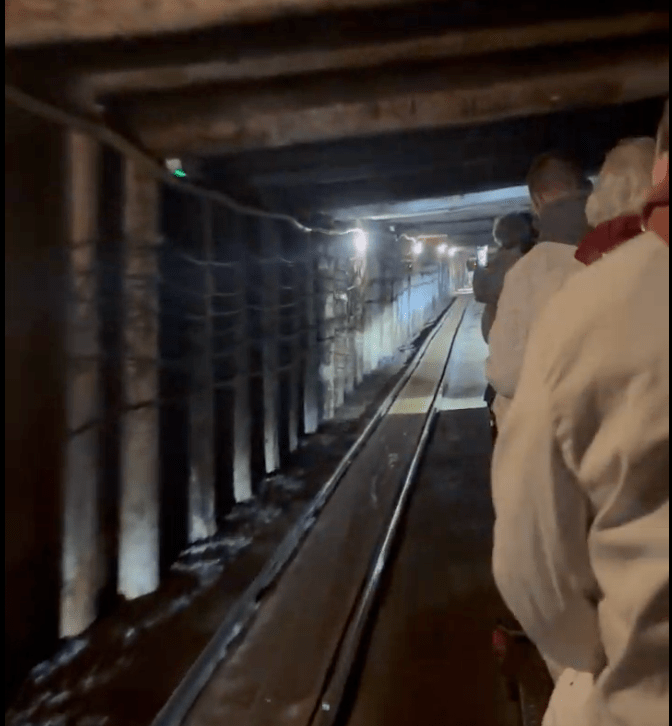
Passengers sit single file straddling a bench on each car. What follows is a noisy and strangely exhilarating four-minute trip down the mine shaft at about 25km per hour, during which the low wooden support beams and the contours of the tunnel can feel unnerving to a relatively tall fellow like me.
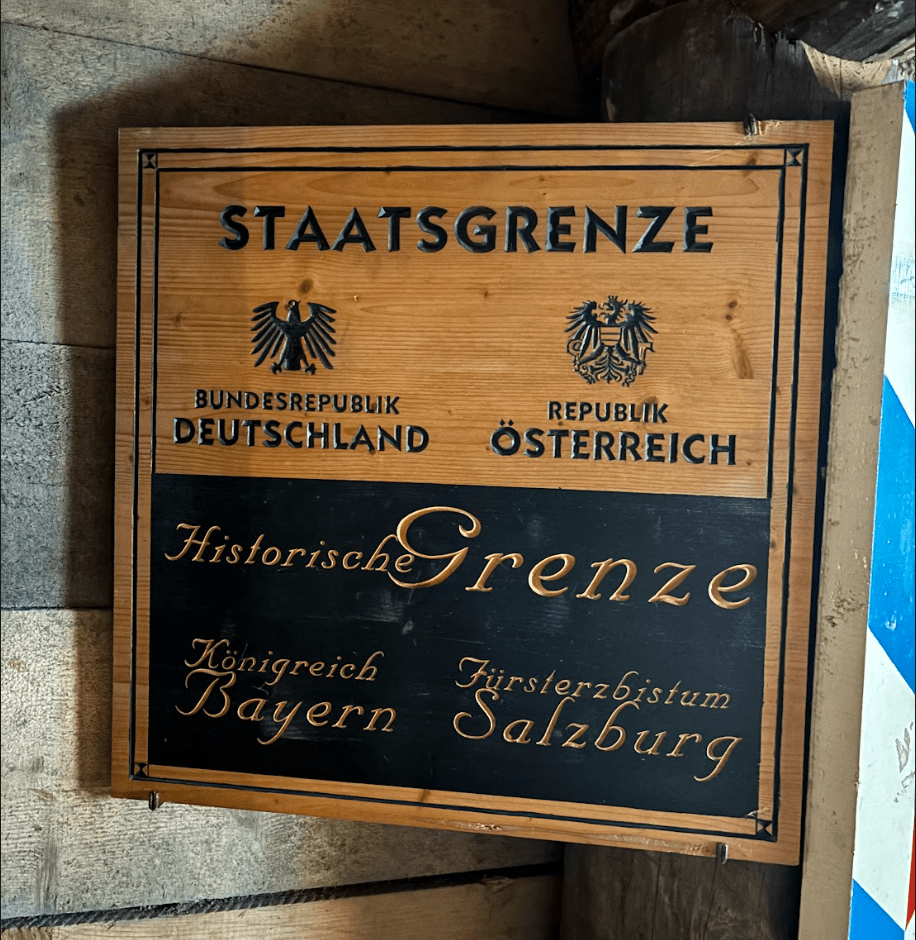
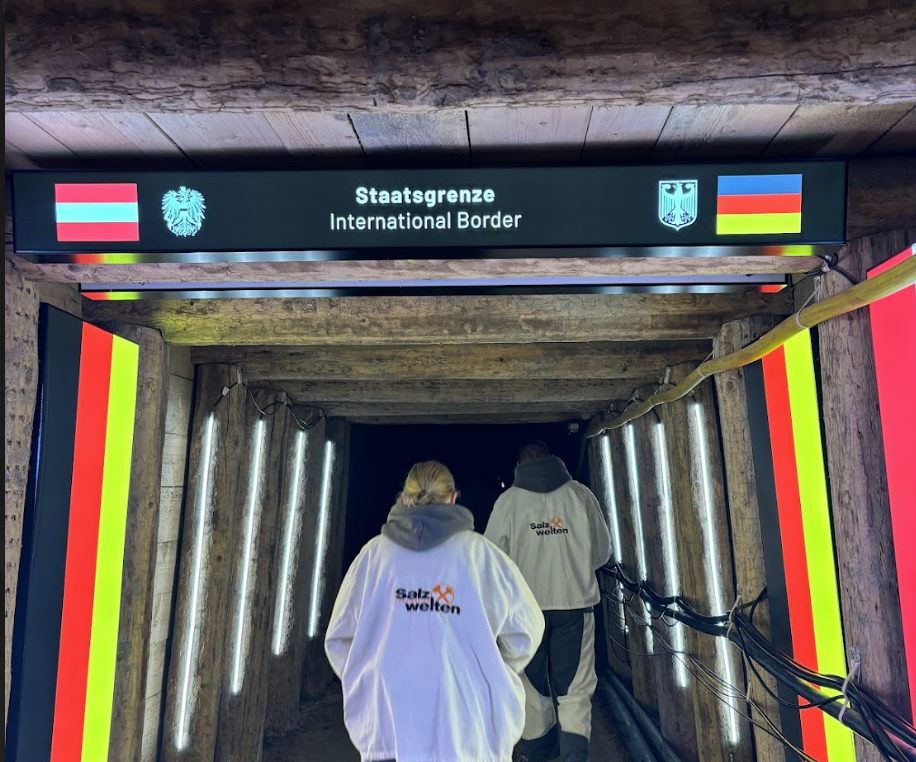
The extent of the tunnels was such that, at one point, we crossed the border into Germany some hundred or so feet below the surface.
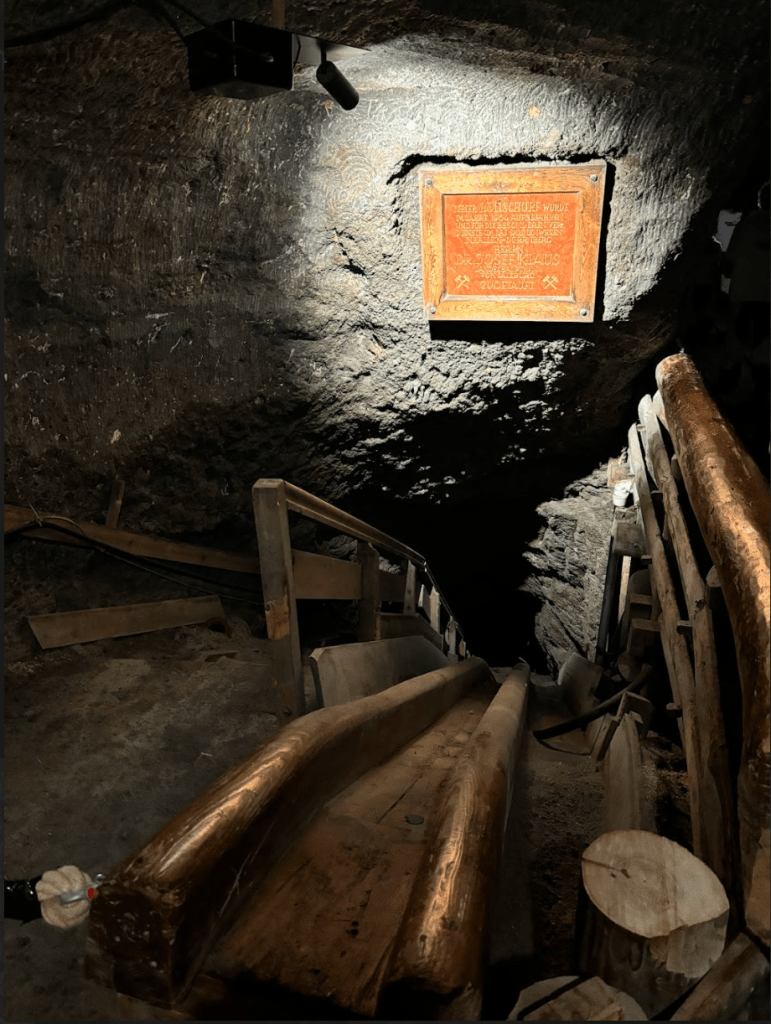
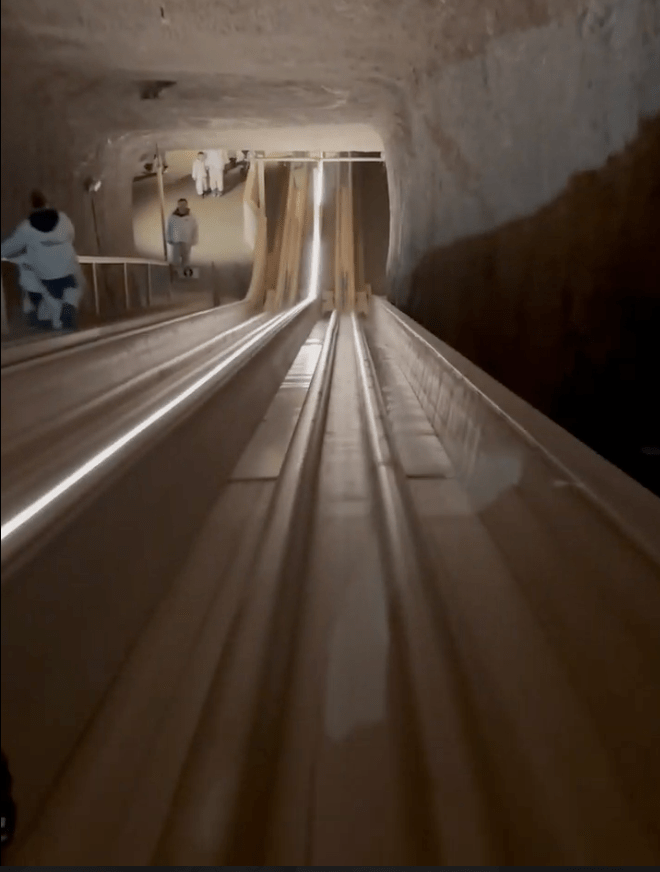
No doubt the consummate activity of the tour if anyone’s being honest, riding these miners’ slides is also the closest a modern tourist can get to experiencing what it was like to work in the mines during their heyday, when many a “weeeee!” preceded the daily grind. The idea is to seat yourself such that one buttock is resting on each of the two wooden rails, lean back, and entrust your safe arrival in the lower chamber to the work of gravity alone. It looks simple enough, but if you don’t keep your legs level and extended, the risk of careening off and eating it big time increases considerably.
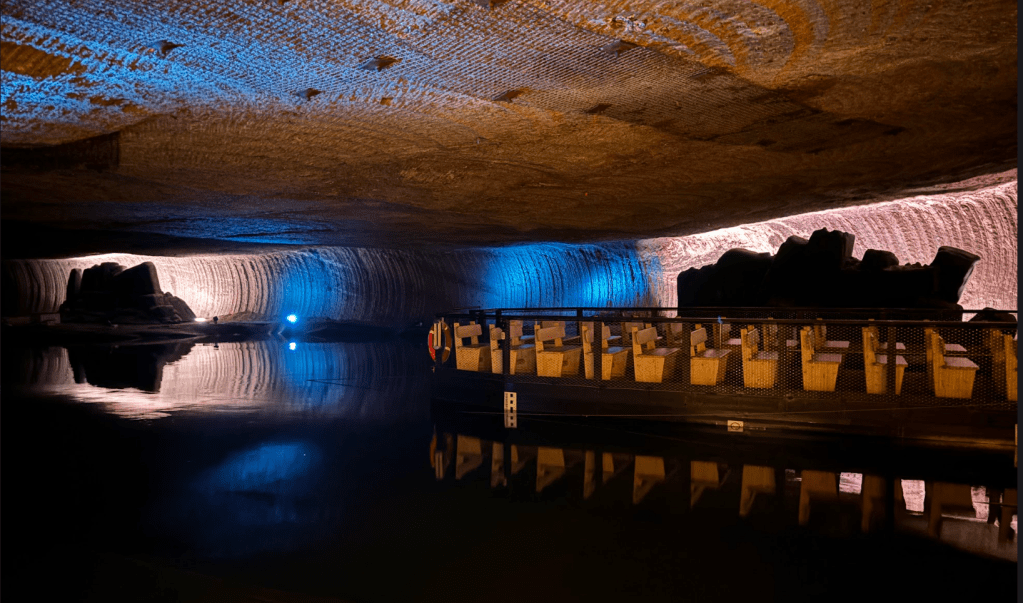
Another highlight was a brief cruise we took on a subterranean lake of brine.
Salzwelten Hallstatt was the second mine I visited. It’s located in the picturesque lakeside town of Hallstatt in a region called the Salzkammergut (lit. “salt chamber estate”) in the state of Upper Austria.
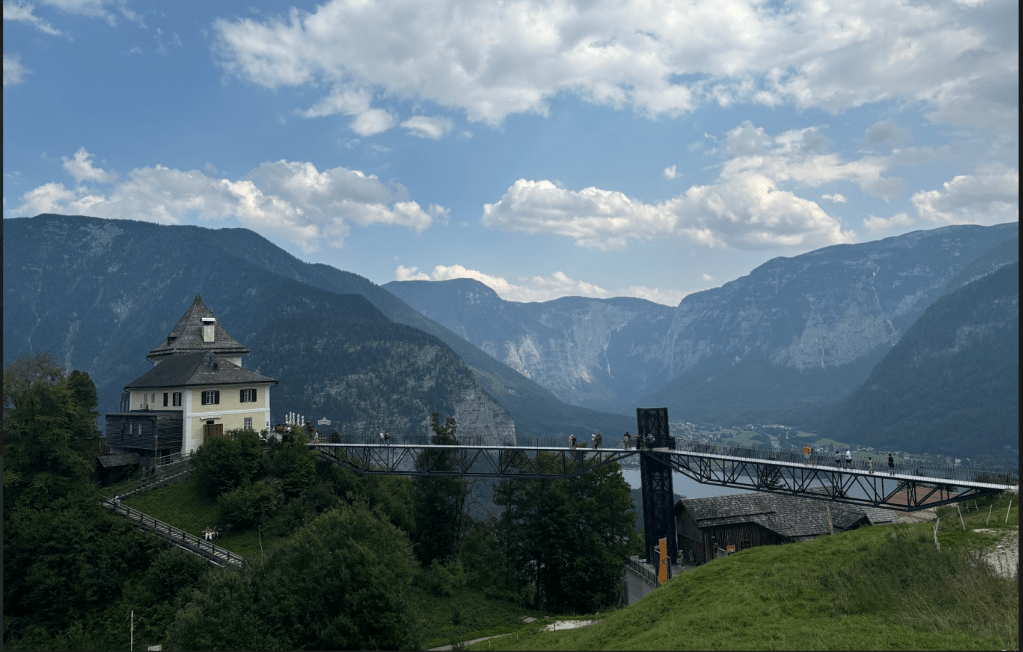
I have little to add regarding the tour experience at Hallstatt, which was excellent but more or less the same routine as with the Dürrnberg mine, down to the coveralls, the train, the slides, and the information provided.
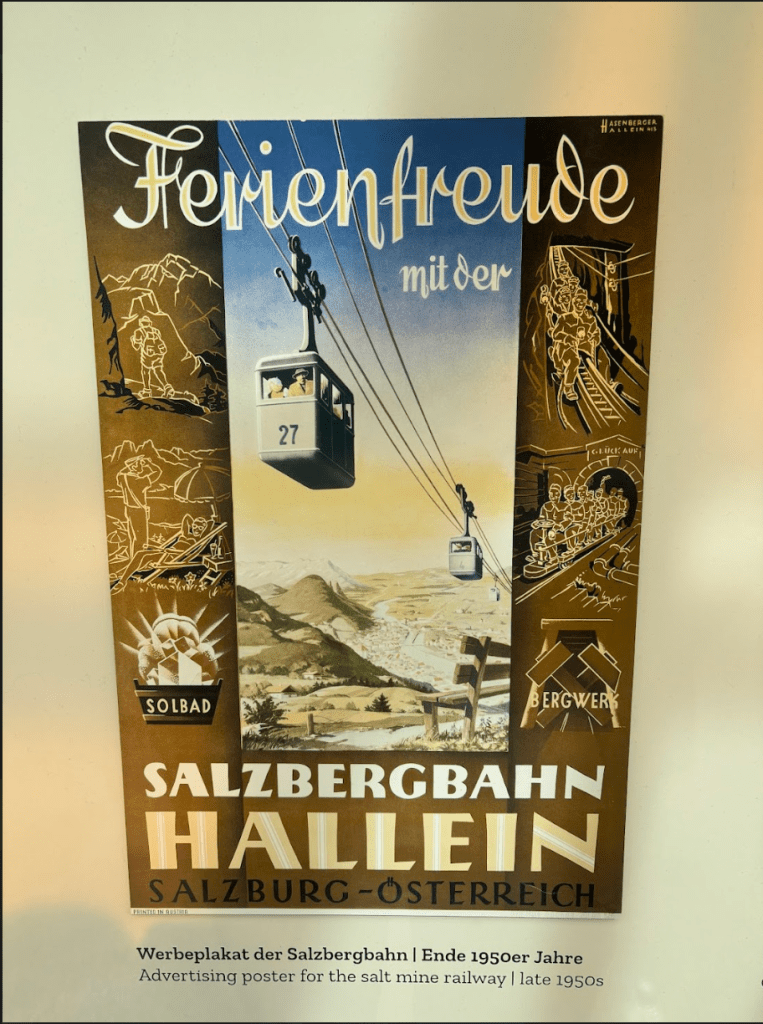
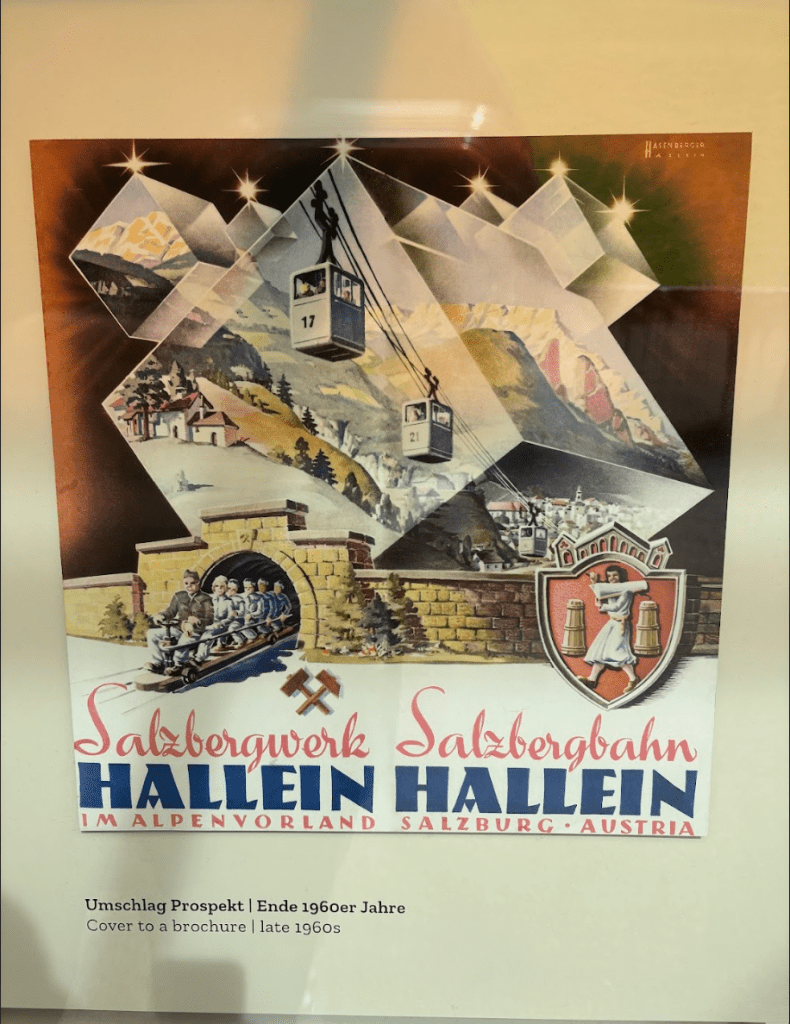
Tourism has actually been a long-standing side-hustle of the salt mines, beginning as early as 1607. Although the Dürrnberg mine ceased production in 1989, it continues to operate as the impressive museum to this day.
The History
Salt mining at the Dürrnberg was begun by Celtic tribes who inhabited this region by the 6th century BC. As their work took them further and further into the salt bed, the Celts constructed extensive networks of tunnels, some reaching 280 meters below the surface and nearly five kilometres long. The wealth produced from this industry supported the growth of nearby villages. You can visit a reconstruction of one of these Celtic settlements just outside the mine today.
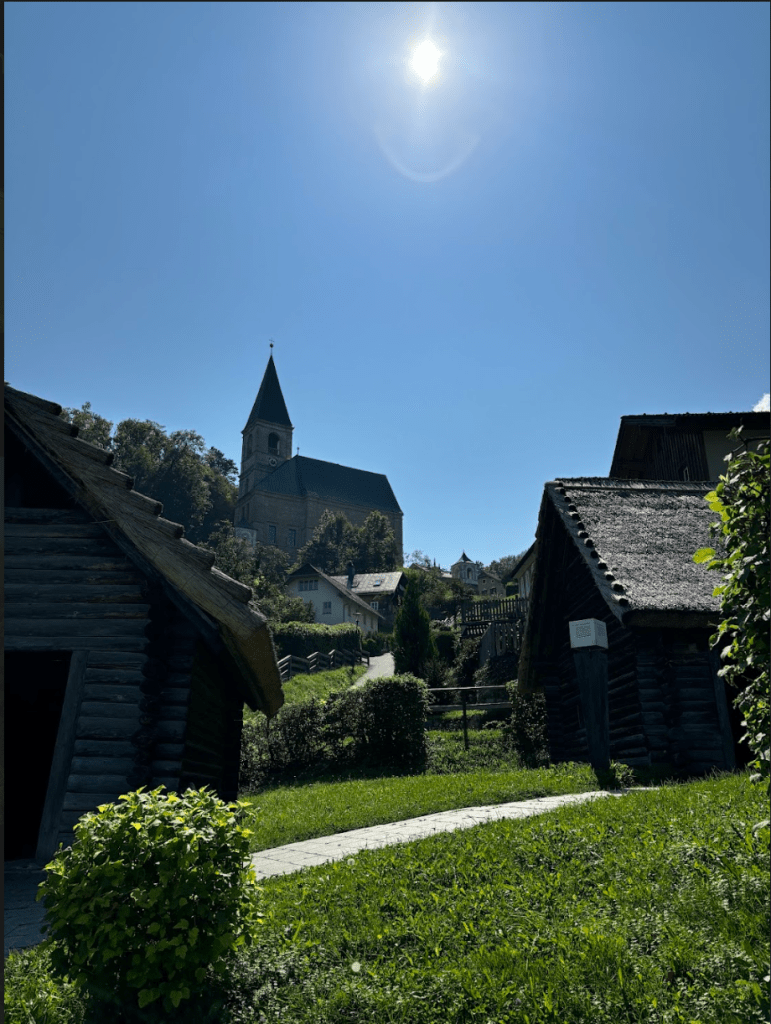
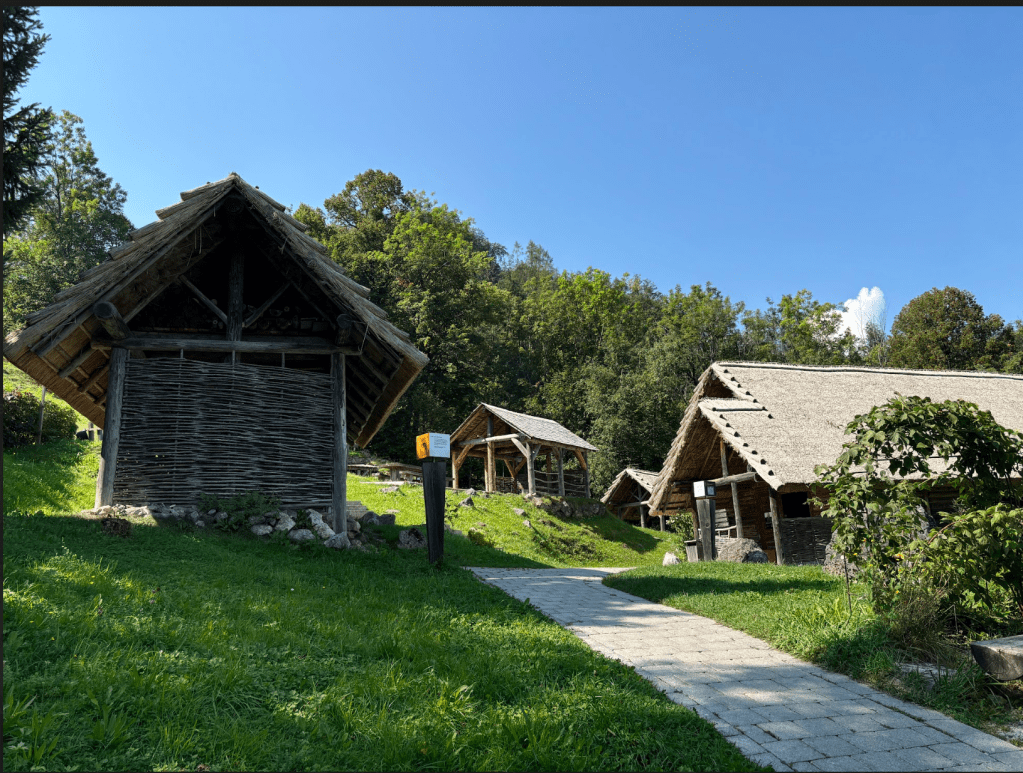
The Celts employed “dry-mining” method to extract the salt, in that they simply hacked chunks of it out of the earth for immediate use. Because the salt bed was so pure, the Celts had no real refining process like we do today. The number of extraneous particles a salt chunk might contain was negligible (by their standards, at least).
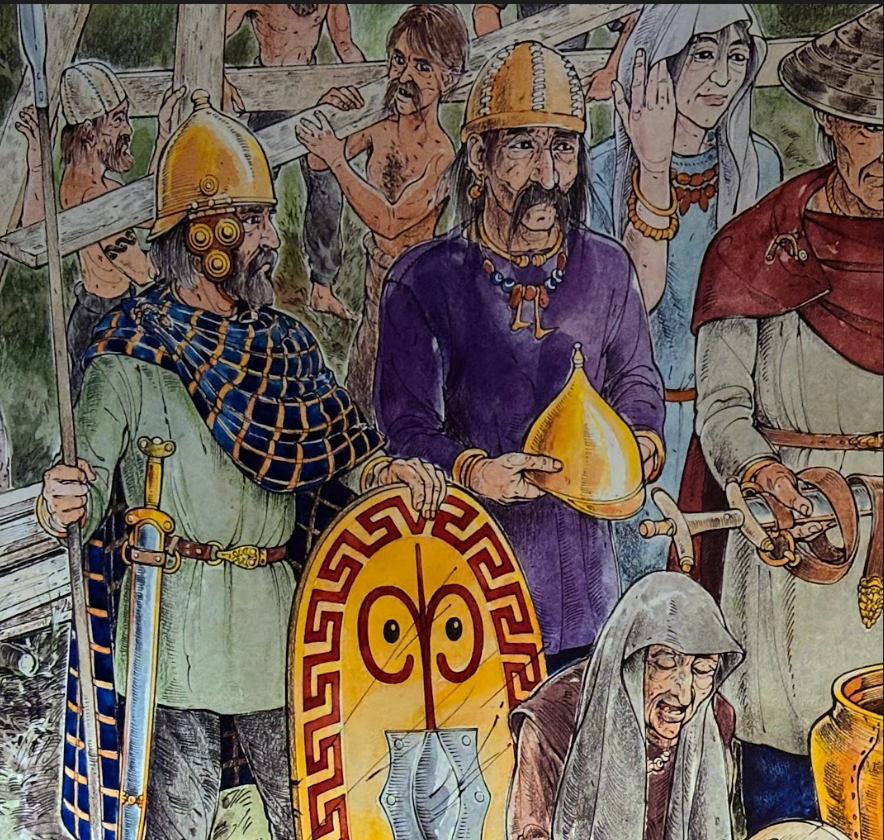
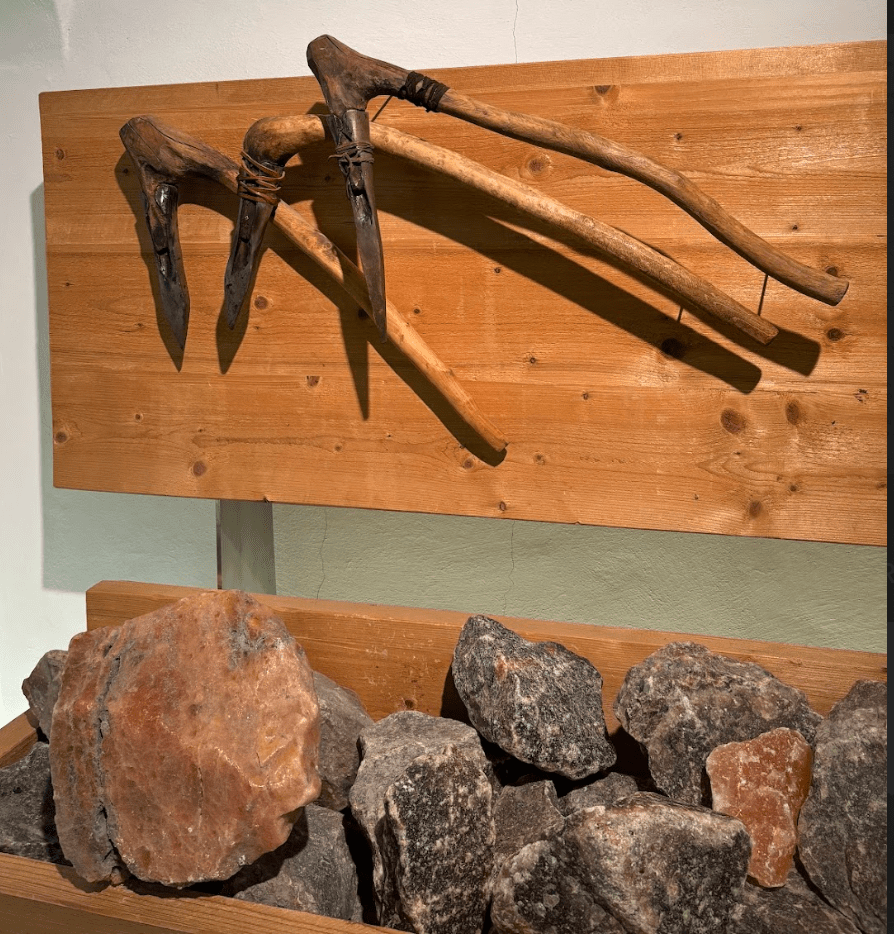
Whereas the Neolithic miners relied on Flintstones-grade tools made from rocks, antlers, and other hard pointy things they could find, the Celts held not only the advantage of metallurgy, which had already been invented by their time, but also the distinction of being among its most skilled practitioners. They constructed pick-axes with bronze and later iron heads, which could withstand the wear and tear of work for much longer.
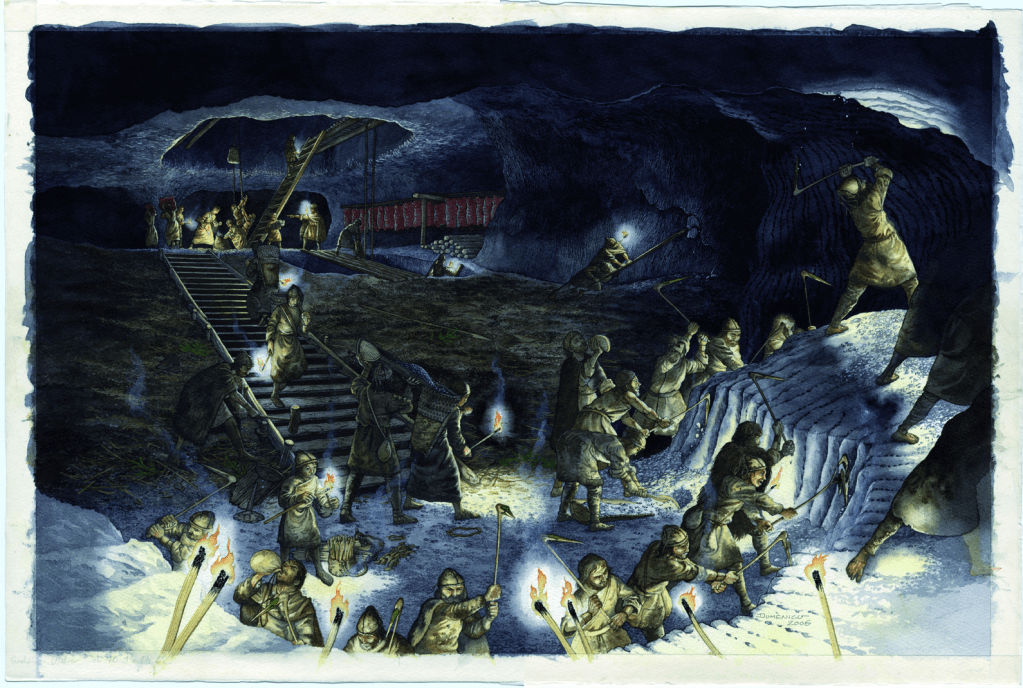
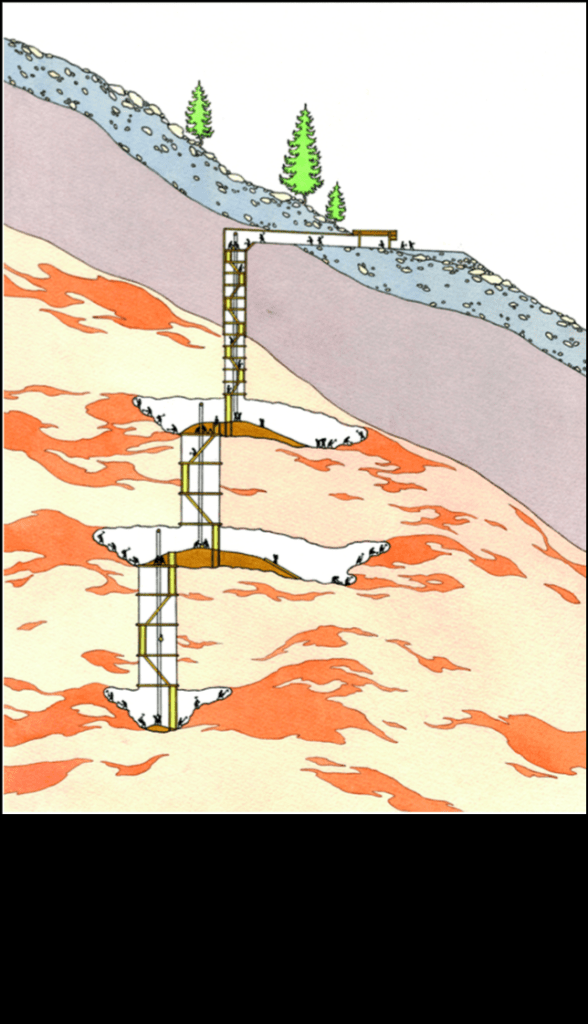
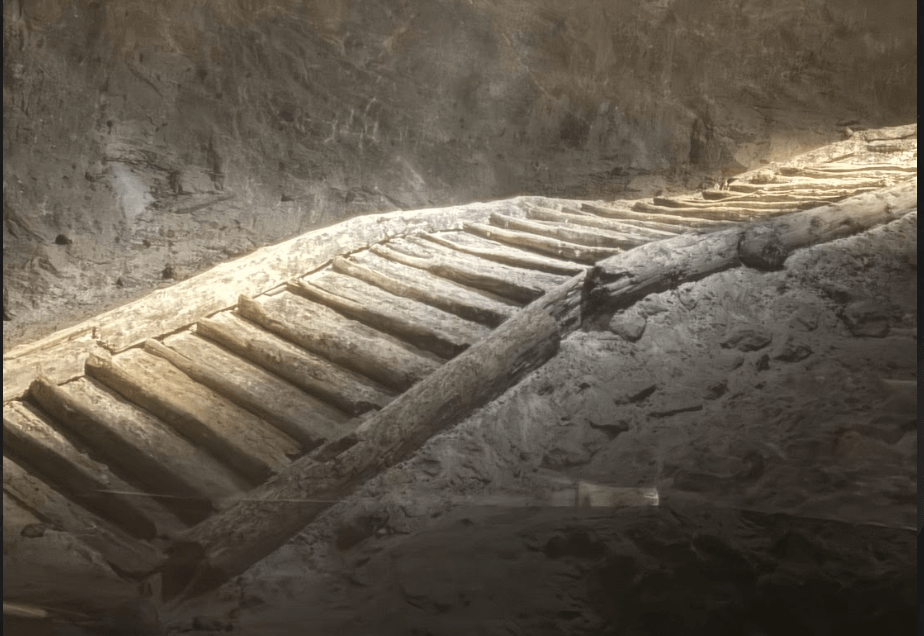
Some structures in the mine predated even the Celts. This wooden staircase dates from around 1100 BC and has been meticulously reconstructed with its original materials at the museum in Hallstatt.
The Celts participated in vast trade networks that extended well into other continents, which explains why some of their wealthier statesmen were buried with treasures made from ivory, a product from sub-saharan Africa. Artifacts such as the “famous” beaked ewer or Schnabelkanne of Dürrnberg, pictured below, testify to a sophisticated material culture among the tribes of this region, not to mention their sheer wealth and their esteem for good craftsmanship. It dates from around 400 BC during the Iron Age, not the earlier Bronze Age. The intricate designs on this bronze vessel showcase its makers’ expertise in toreutics, the art of decorating metal objects with detailed patterns and images through techniques like engraving, hammering, and embossing.
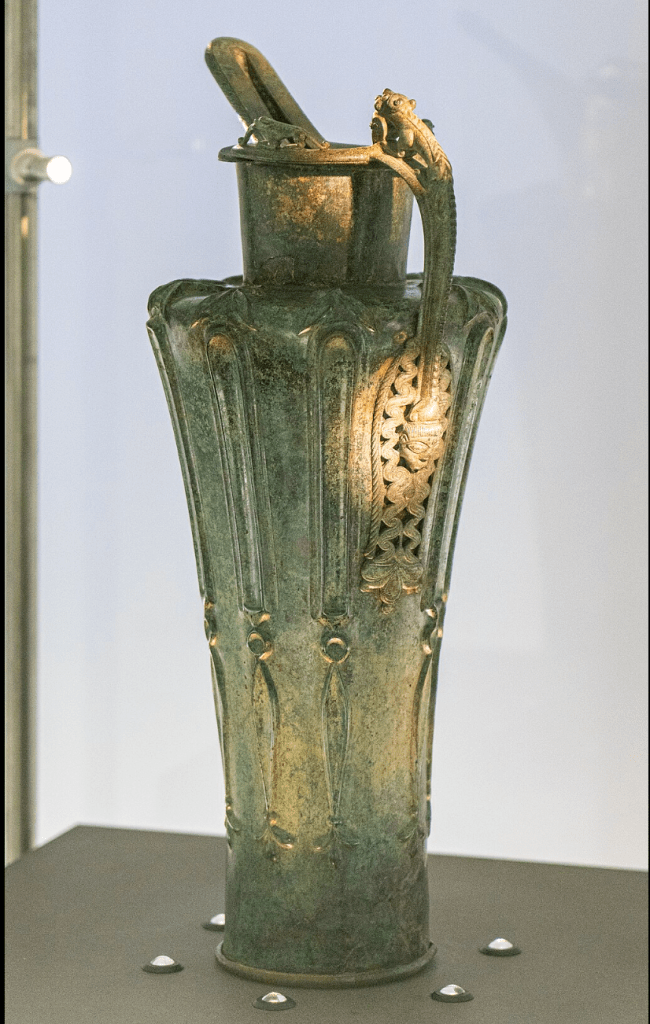
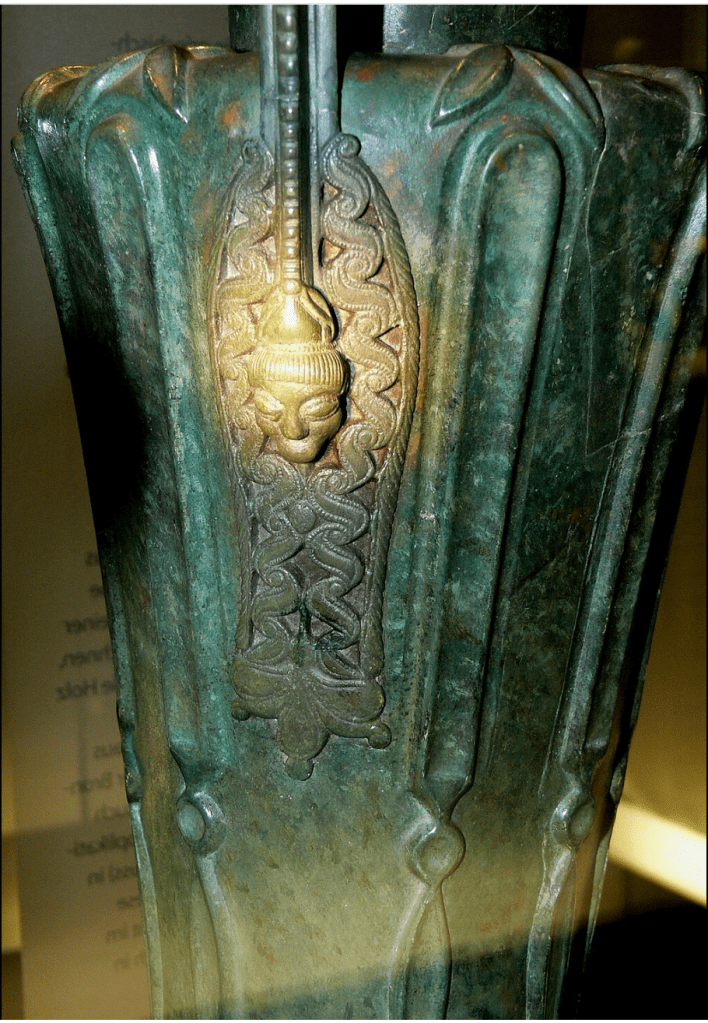
There are different interpretations of the design motifs, focusing on the depictions of animals and the human head. One theory is that it presents water as a force of rebirth. It was a common belief among Celtic tribes across Europe that spirits liked to inhabit water. In fact, the modern tradition of tossing coins into fountains is believed to have its roots in the ancient practice of depositing treasure in bodies of water as offerings to the spirits or deities within them. Whatever its intended meaning, the ewer of Dürrnberg is a particularly popular artifact for Austrian history buffs, and it has actually been the subject of several novels by Salzburg-based writer Wolfgang Kauer.
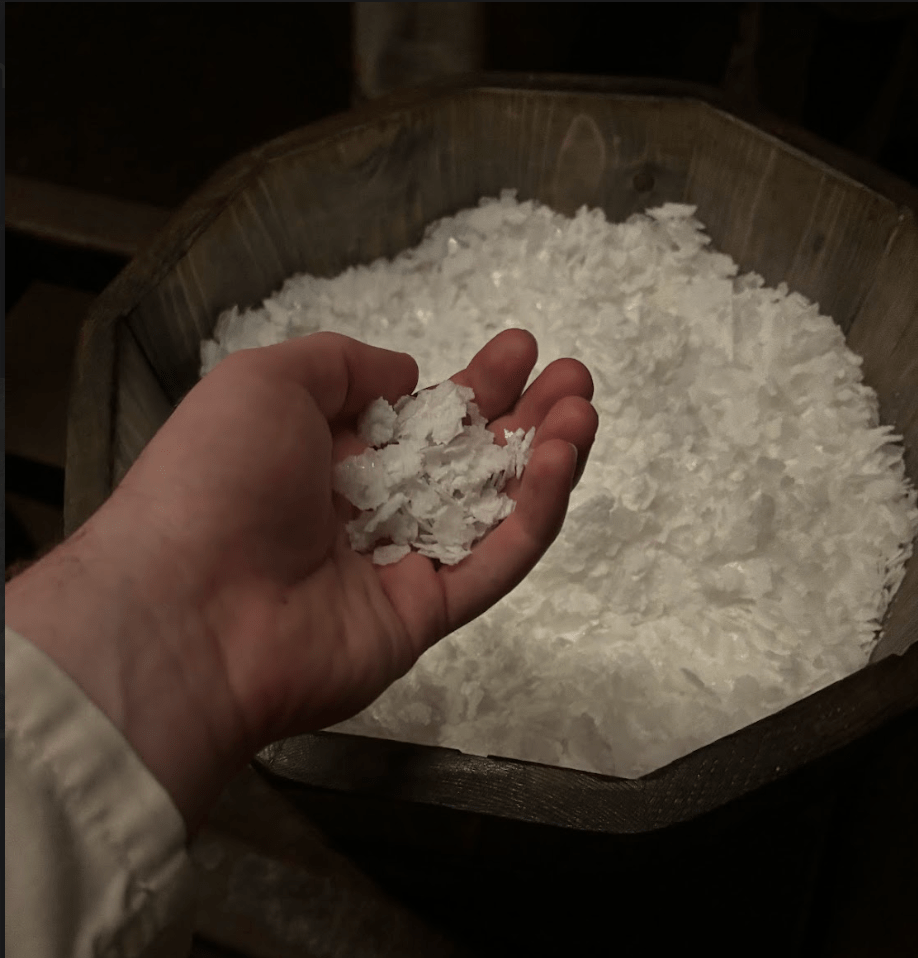
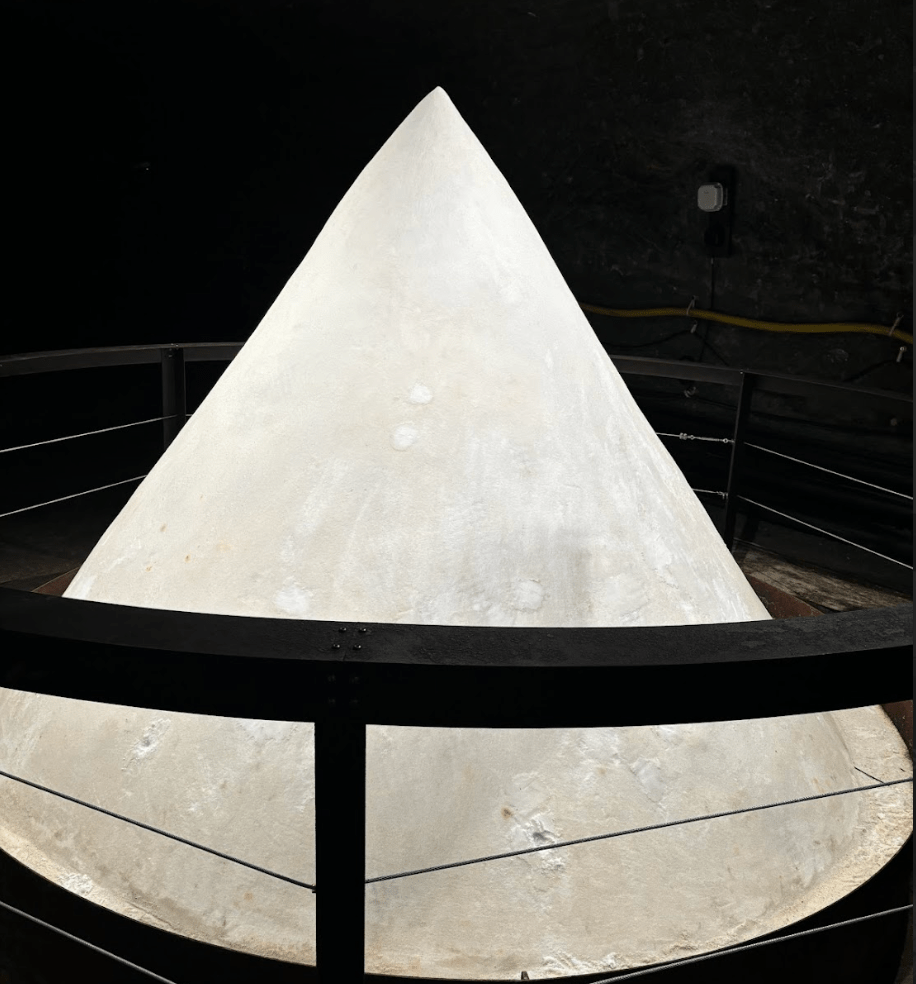
During the Celtic era of mining, salt chunks as well as finer crystals were poured into long, conical containers called perkufes. These were worn on the backs of workers tasked with transporting it out of the mine. When necessary, salt could also be piled in large heaps.
The Romans conquered what is now Austria in 15 BC and made it into the province of Noricum. For reasons that aren’t entirely clear, salt mining in the eastern Alps declined significantly during their rule. It’s possible that incorporating the region into the Roman polity may have affected demand for the salt due to the Romans’ taxation practices or their access to other salt sources like the brine springs found in what is now Cheshire, England.
Whatever the case, it was not until 1191 AD that salt production returned to and eventually surpassed its iron age high point. This was thanks in part to the development of wet mining methods to replace those of dry mining. Wet mining (also called solution mining) involved pumping water into a chamber dug into the salt bed. The water was left to dissolve the salt on the chamber surface layer by layer, becoming brine. At the refinery, the brine was poured into large boiling pans, made initially from leather and later on from iron.
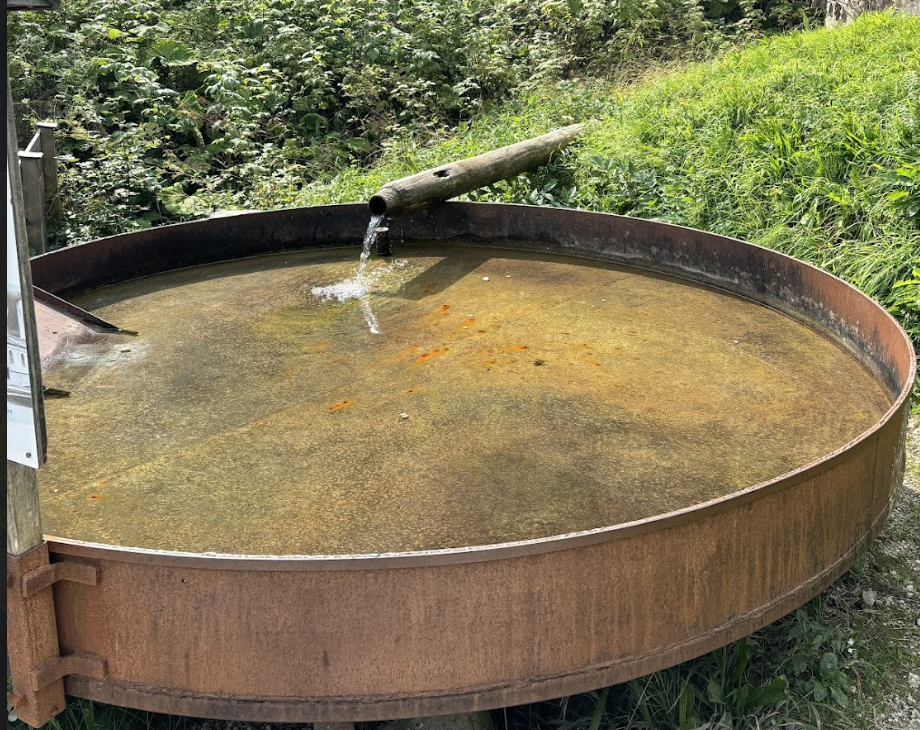
These pans could be up to 25 feet in diameter. Workers stirred the hot brine with wooden rakes, removing clumps of crystallized salt to be stored in perkufes before it was finally transferred to drying rooms. There, any remaining moisture was vaporized using flue furnaces.
Mines by their nature are dangerous places to work. Proper air circulation was essential to prevent poisoning from carbon dioxide and fine particles that collected in the air around the workers. Prior to industrialization hand-operated bellows like this one needed to be operated all day long to ensure the miners had an adequate supply of fresh air.

Besides natural hazards, politics during the early days of the medieval salt business could be vicious. In 1196, Archbishop Adalbert of Salzburg went Pablo Escobar on the town of Reichenhall, burning down its saltworks (as well as the town itself, for good measure). This pursuit of a monopoly on “white gold” was achieved by Salzburg’s facilities in Hallein by 1530, though the whole industry had been nationalized by then.
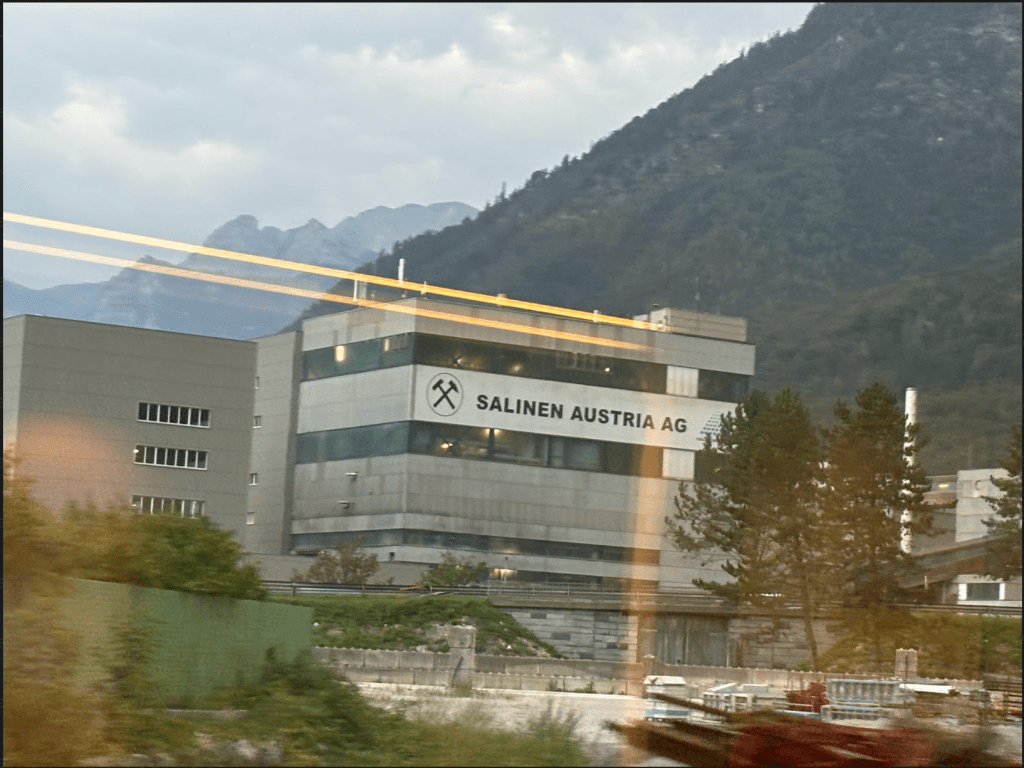
During the high middle ages, salt mining was managed largely by private firms, such as the Hallinger Union who owned the mines at Altaussee in the Salzkammergut during the 14th and 15th centuries. All Austrian salt production was later nationalized under the Holy Roman Emperor Frederick III in 1449. The state-run operation he founded is actually an early predecessor of Salinen Austria AG, the company that runs Austria’s salt industry today.
This time, it was the prince-archbishops of Salzburg who ran the show. If you’re wondering what a “prince-archbishop” is, he’s exactly what he sounds like. He was a ruler with secular authority as the head of the local government (a prince) who also acted as the local religious leader for the Catholic church (an archbishop). Think of him as an actor-writer-director of his day.
The most accomplished of these walking conflicts of interest was Prince-Archbishop Wolf Dietrich von Raitenau (1559-1617). We have him to thank for spending the proceeds of Salzburg’s lucrative salt trade on many of the impressive baroque buildings around the city, including Mirabell Palace and the Cathedral of Salzburg.
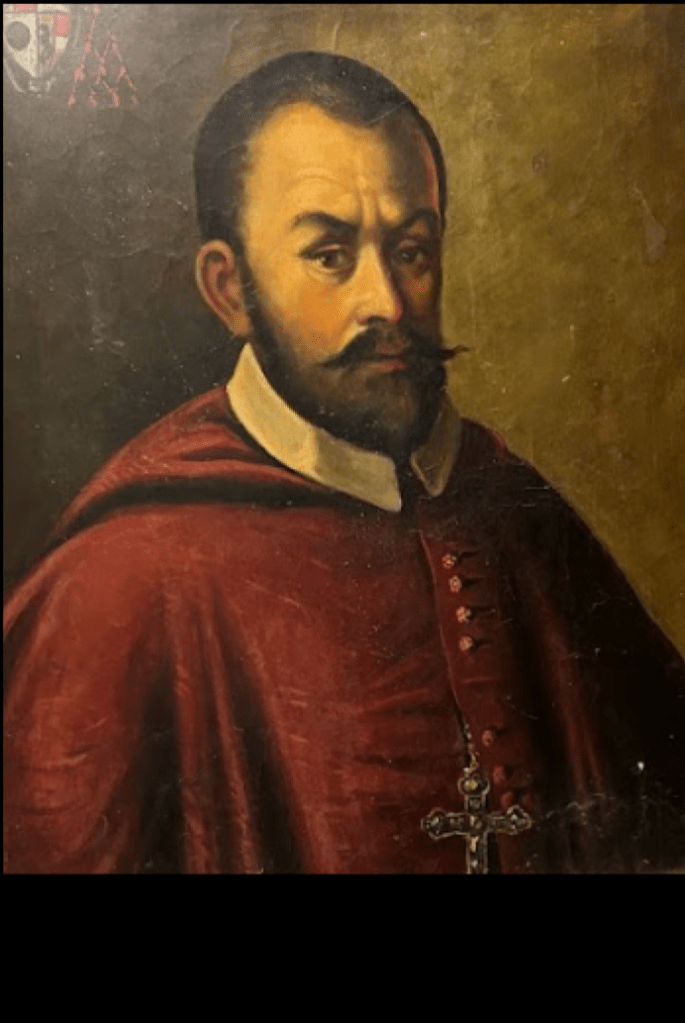
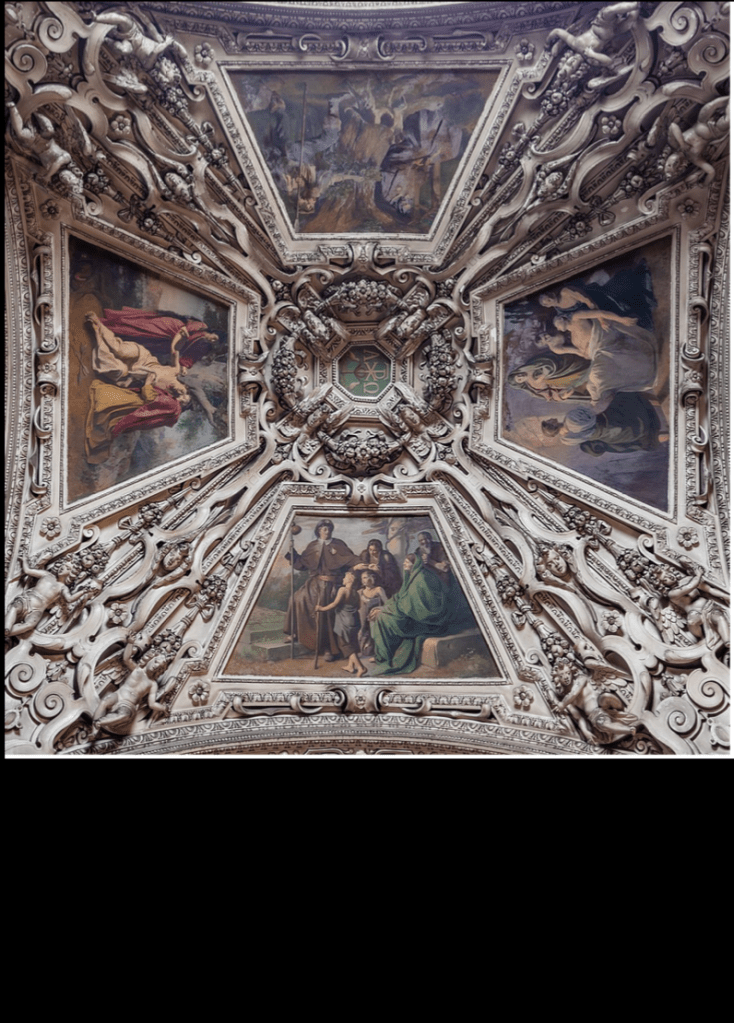
Image: Diego Delso, CC BY-SA 4.0 https://creativecommons.org/licenses/by-sa/4.0, via Wikimedia Commons
During Von Raitenau’s reign, a number of crucial engineering projects were completed, including the construction of a forty-kilometre pipeline in 1595 to transport brine from the Hallstatt mine to a refinery in Ebensee. Still in use today, it remains the oldest continuously-used pipeline of any kind in the world.
With the Industrial Revolution in the early 1800s, the mechanisms employed in Austria’s salt refineries became more sophisticated. Boiling pans were redesigned with sealed covers to create a vacuum. Less power had to be expended to evaporate the brine under these conditions, because the lower atmospheric pressure lowered its boiling point. This vacuum refine method also produced produced salt of higher purity than did earlier methods. In 1951, the thermo-compression method of salt production was introduced. Instead of boiling the brine at low pressure, this was done at high pressure and the heat was recycled to warm up incoming brine, making this the most energy-efficient method yet.
Apart from the refinement methods, digging methods also evolved over the centuries. Work that was once done with crude pickaxes now relies on toothed stoping machines like this monster.
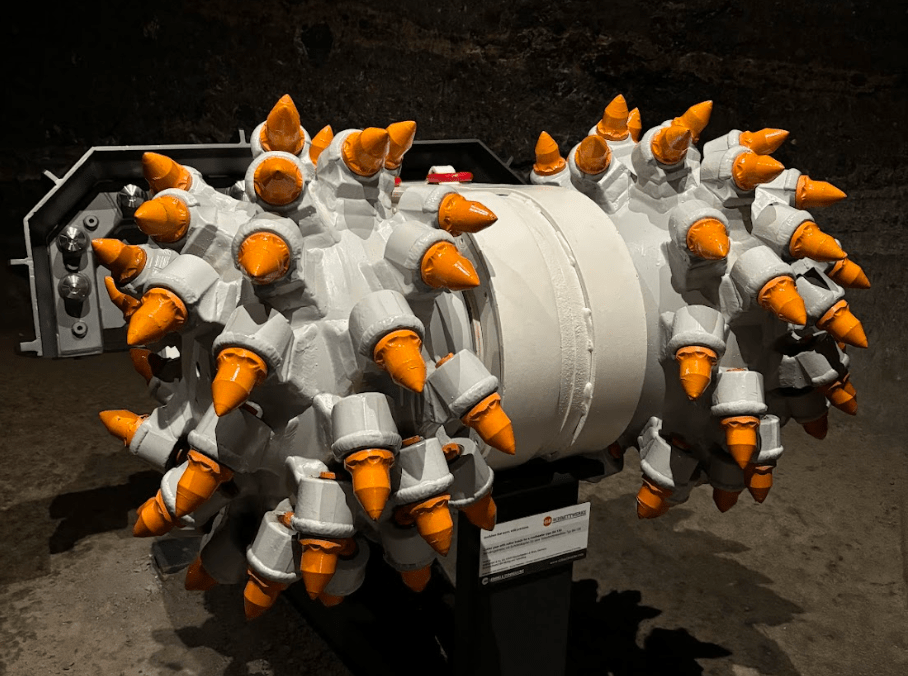
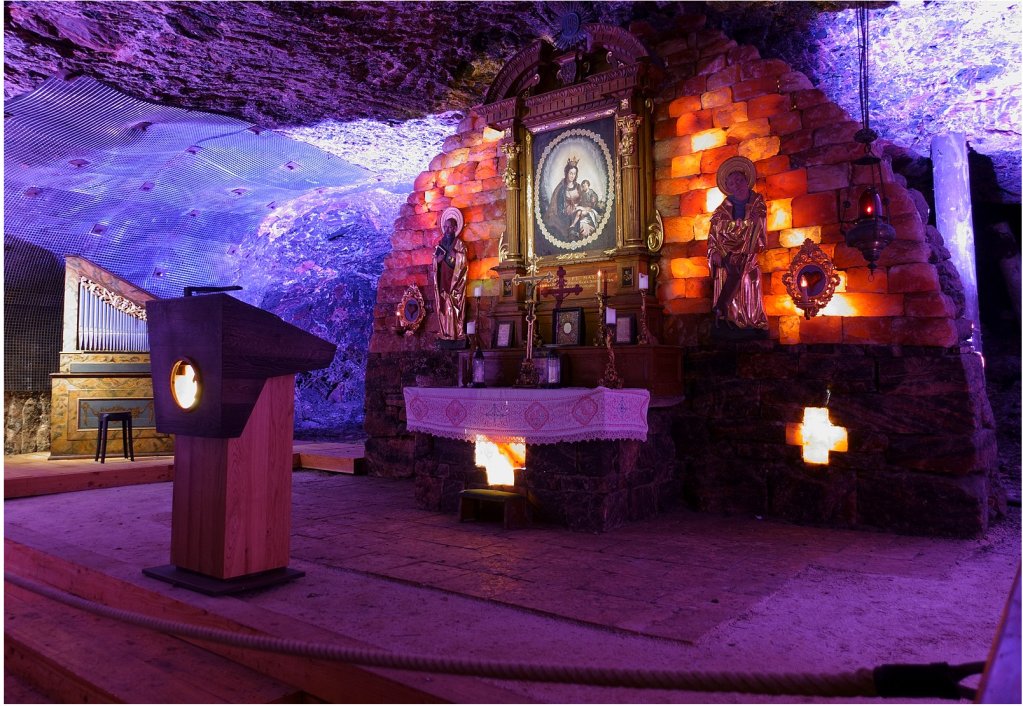
The culture surrounding the mines themselves over the years is also interesting. Shrines to St. Barbara are ubiquitous not only in the Austrian salt mines but in most historic mines across Europe. St. Barbara is after all the patron saint of miners. A chapel dedicated to her was even constructed from rock salt at the mine in Altaussee.
Barbara’s father was a wealthy pagan named Dioscorus. He was certainly no saint himself, considering that he not only sealed his own daughter alone in a tower for several years, but also later turned her into the Roman authorities, who tortured her. When Barbara was sentenced to death for refusing to recant her Christian beliefs, it was Dioscorus himself who carried out the beheading. As the story goes, God wasted no time settling his hash with a well-aimed bolt of lightning, and Barbara was canonized for her martyrdom.
That miners eventually began to invoke the name of St. Barbara for protection during their work is actually due to the same reason she received similar devotion from artillerists in the military and presumably from owners of the 1976 Ford Pinto. Her specialty is protecting people from explosions. This explains why her patronage of miners only really took off in the 17th century when the use of gunpowder in mining operations was increasing. Why explosions? Since her father was himself exploded by a divine lightning bolt, it’s believed that this somehow seeded the association. Lightning was poorly understood before the 19th century and would have looked and sounded like a kind of explosion to those whose profession involved blowing things up.
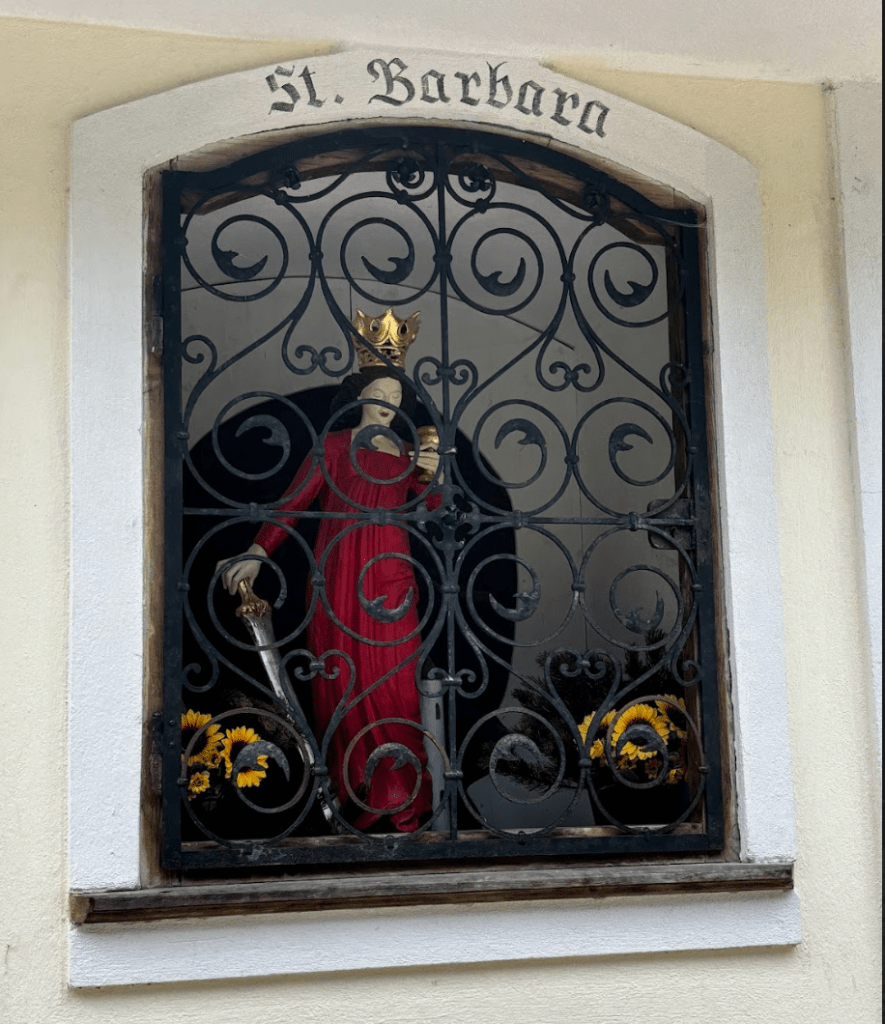
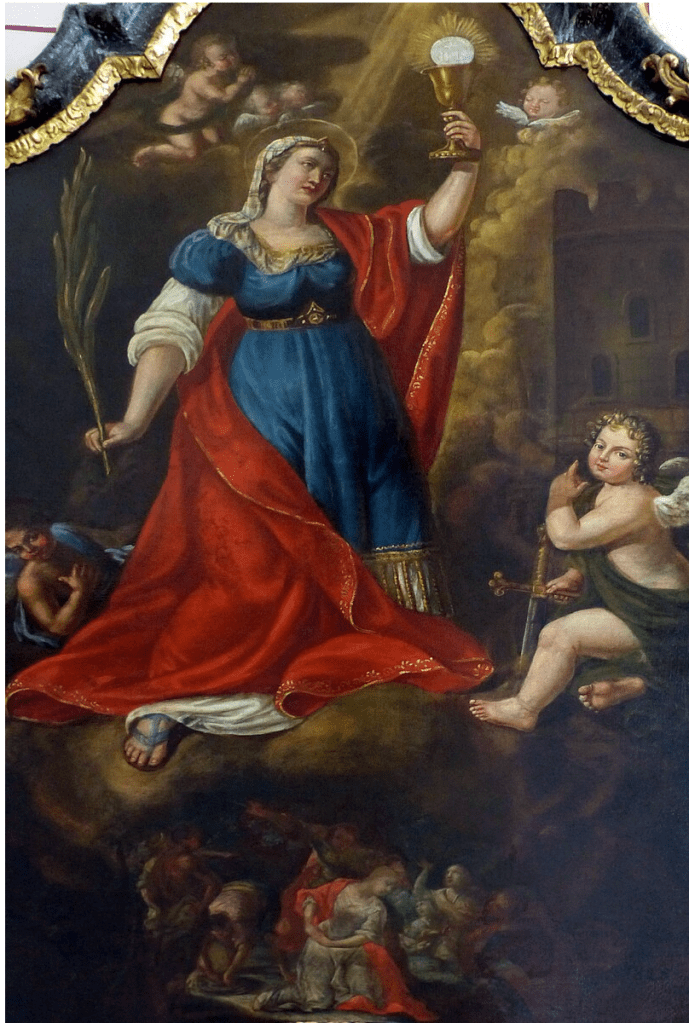
A garment called a miner’s tunic was sometimes worn in honour of her. It was adorned with twenty-nine gold buttons, one for each year of her life. as well as a nine-pointed collar in reference to her nine-year imprisonment in the tower. Its fabric was black, symbolizing the gloomy darkness of the mine, and gold, symbolizing the bright world above ground. It’s tradition to cut cherry tree branches on St. Barbara’s Day (December 4) and place them indoors with water in the hopes that they will bloom by Christmas.
Conclusion
I highly recommend taking at least one of these tours if you happen to travel to Hallein and Hallstatt during a trip to Austria. Each of the salt mine museums is run by Salinen Austria AG. My train passed by their facility in Ebensee on my way back from Hallstatt to Salzburg.
Items made from the salt can be purchased in shops around the region, including hygiene products like bars of soap, decorations like lamps, and even plain old table salt. The premier table salt made in the state of Salzburg is Bad Ischl salt from the manufactory near Hallein. You can have a gander at their products on their online shop.
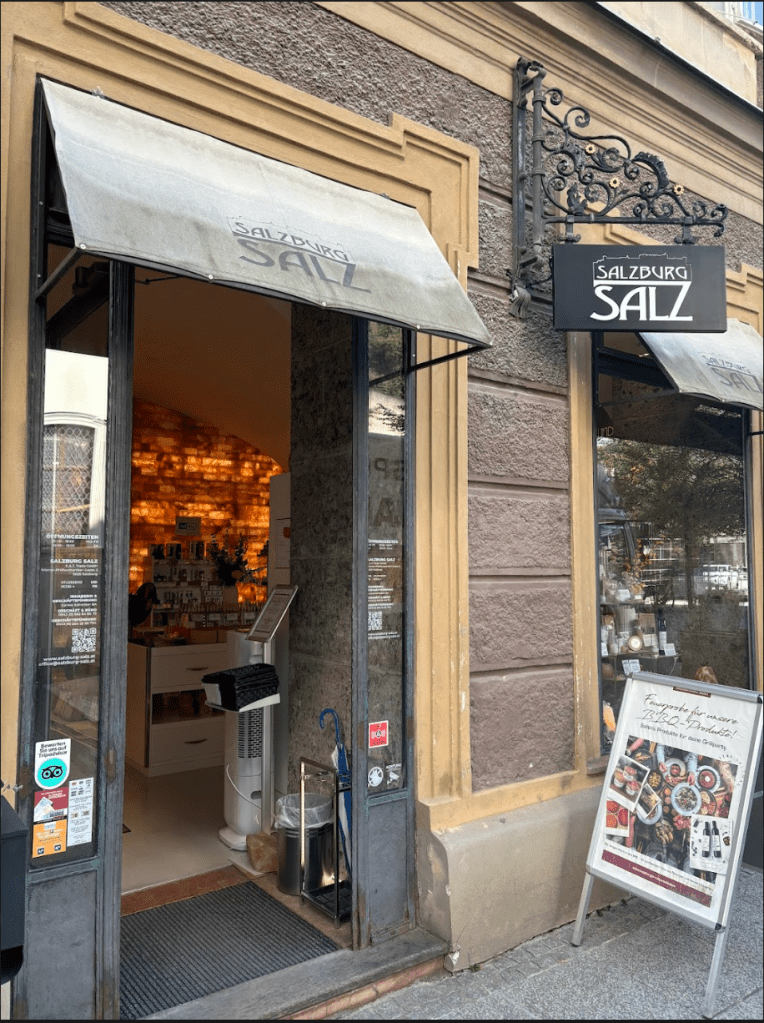
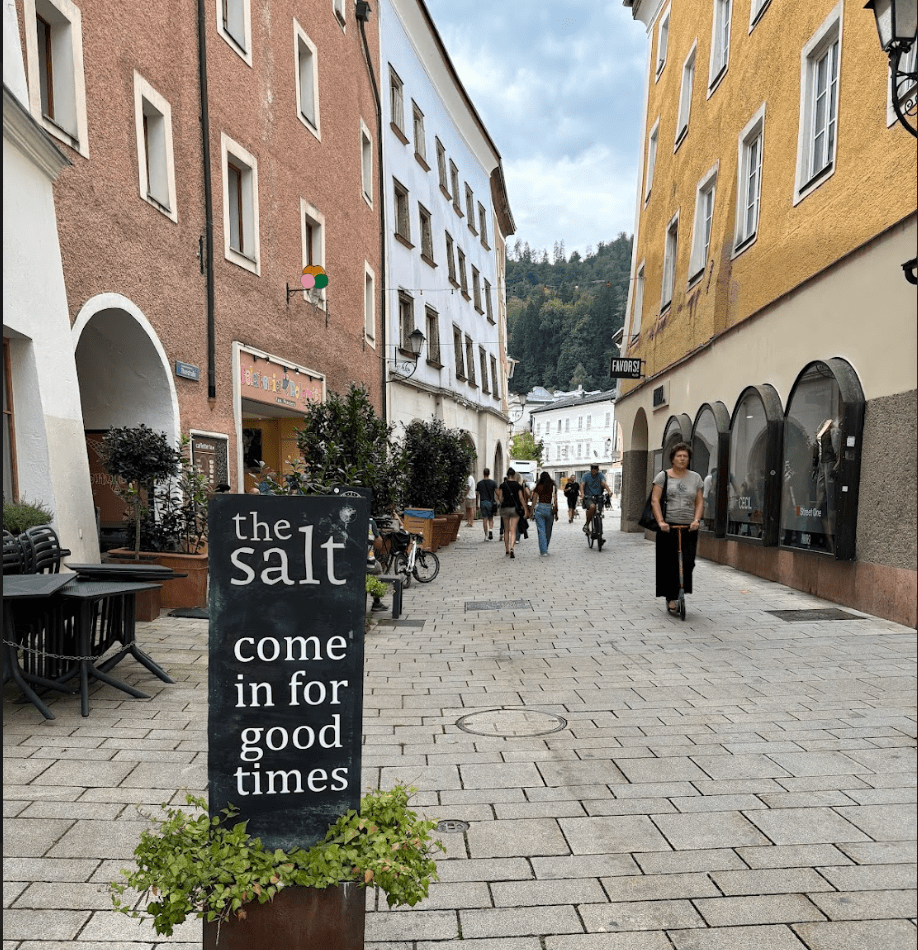
Salt is one of the world’s most multifaceted substances, and of course I’m speaking in general terms here, since “salt” can describe a wide variety of minerals, but consider the two images below.
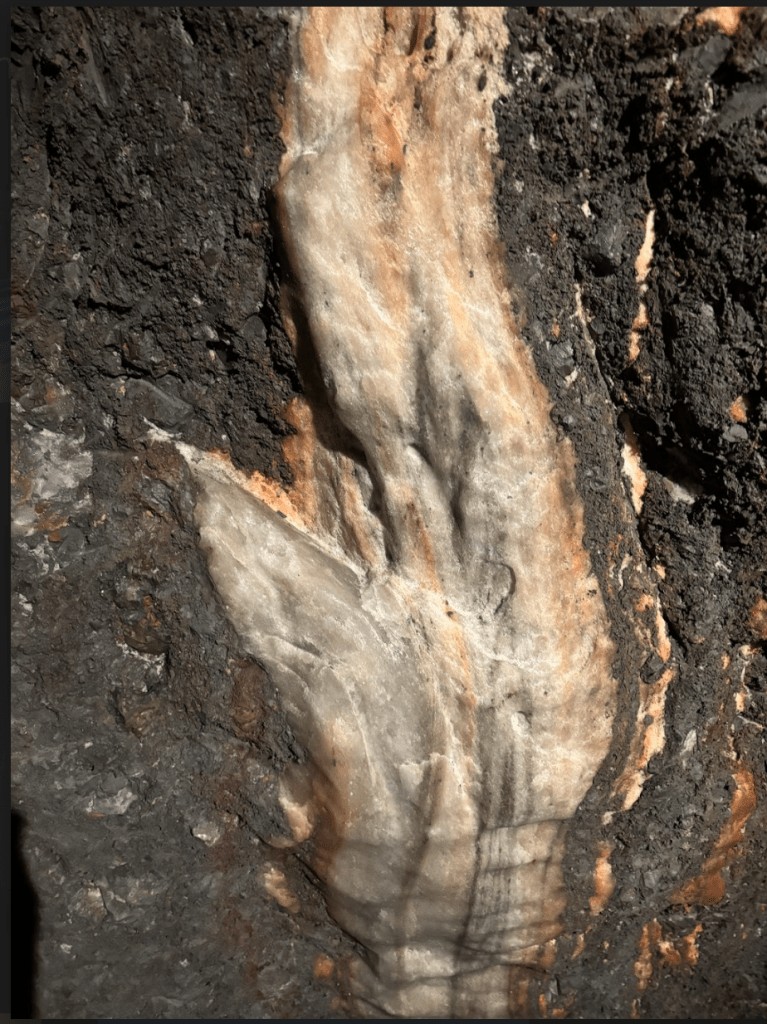
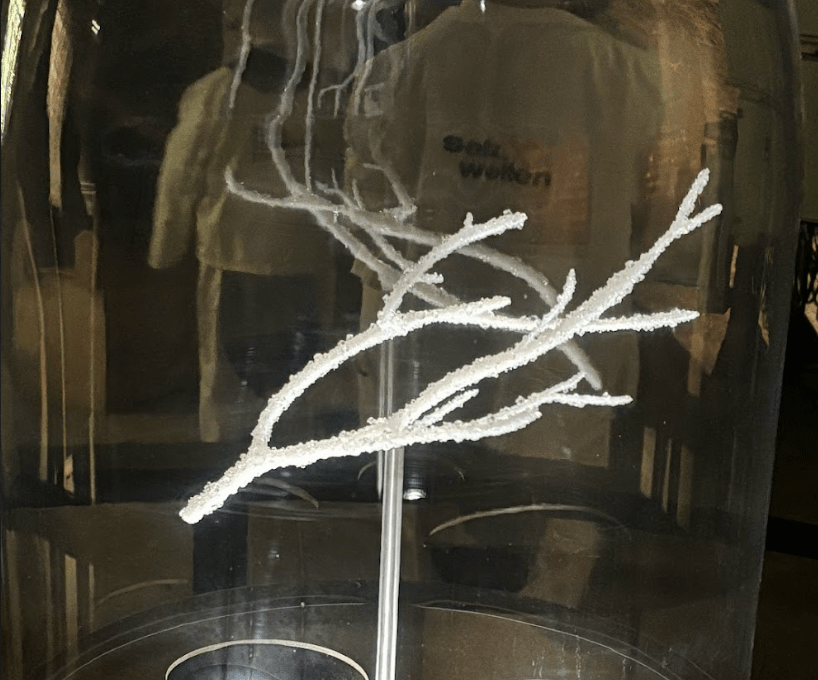
On the left is a vein of salt embedded in the shaft wall of one of the mines I visited, and on the right is a Salzburg Bough (Salzburgzweig), a twig-like ornament crafted by chipping out a narrow, branching vein from the rock without fracturing the salt itself. One is sturdy and mundane, the other delicate and remarkable, but they are both salt.
I hope you enjoyed this post. If you did, please consider subscribing to my blog if you haven’t already.
Until next time!
 Let Me Explain
Leave a comment